Changi Water Reclamation Plant
Deep Tunnel Sewerage System and Changi Water Reclamation Plant
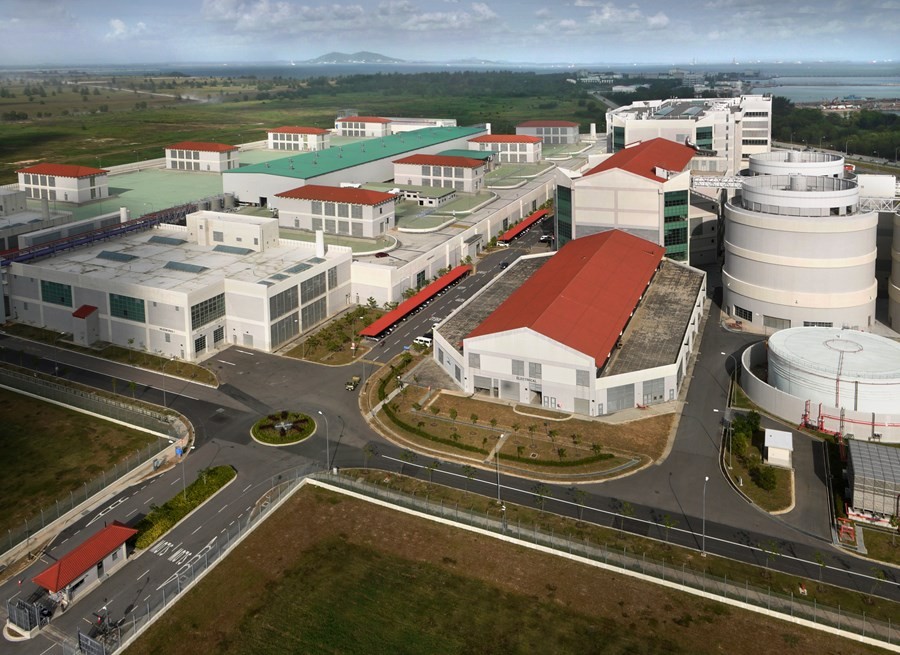
An underground super-highway for the collection, treatment and disposal of Singapore’s used water, the Deep Tunnel Sewerage System (DTSS) is a core water infrastructure which provides a cost-effective and sustainable solution to support Singapore’s continued growth and meet its long-term used water needs.
To be developed over two phases, the DTSS comprises a 206km-long network of deep tunnels and link sewers that will convey used water entirely via gravity to three water reclamation plants located in Changi, Kranji and Tuas.
DTSS Phase 1, completed in 2008, comprises a 48 km tunnel that stretches from Kranji in the northern Singapore to Changi in the eastern Singapore, a centralised water reclamation plant, 60 km of link sewers and a 5 km long deep sea outfall. The deep tunnel conveys used water by gravity, eliminating the need for pumping stations, thus reducing the risks of used water overflows.
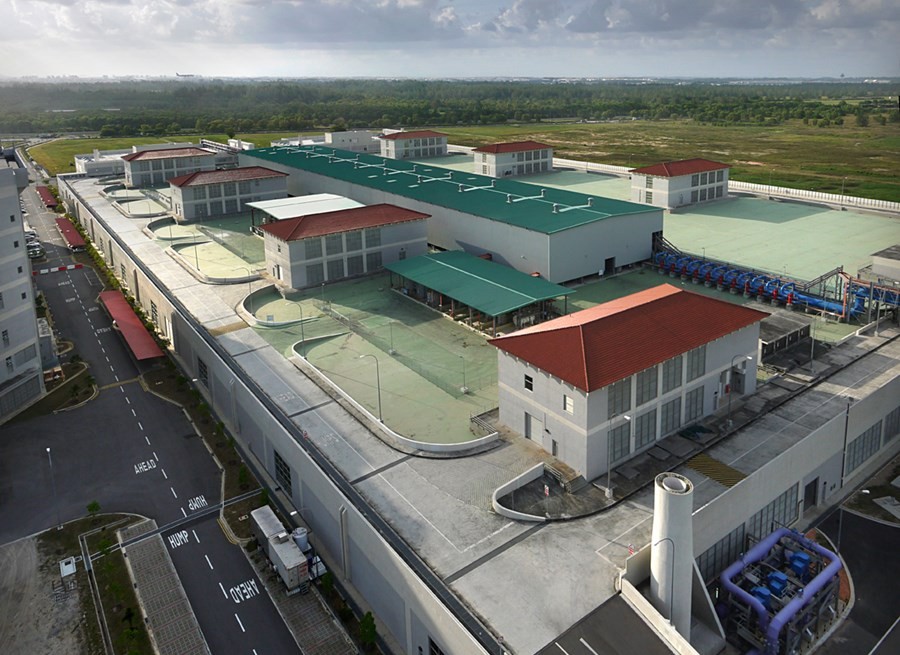
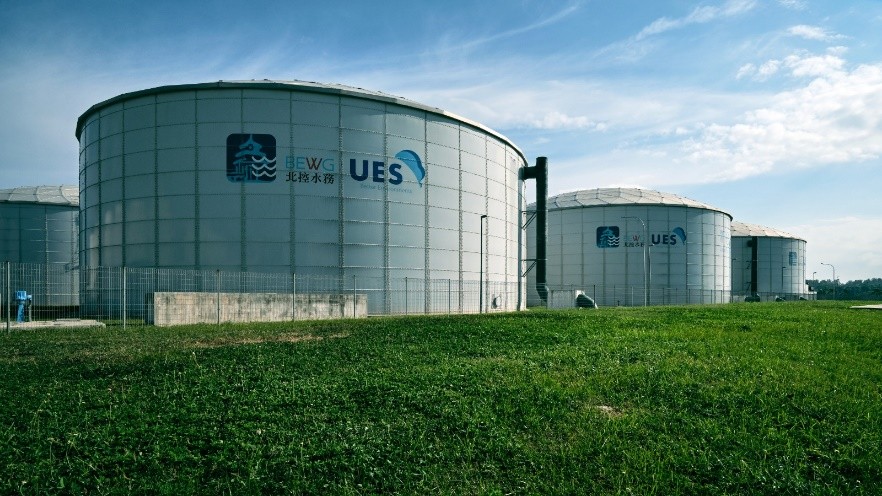
At the heart of the DTSS Phase 1 is the Changi Water Reclamation Plant (CWRP), one of the largest used water treatment facilities in the world. Sited on 43 hectares of land – one-third the size of a conventional plant – the CWRP features a state-of-the-art, compact and covered used water treatment facility that was commissioned in 2008 with an initial treatment capacity of 800,000 cubic metres of used water per day (m3 per day).
Influent pumps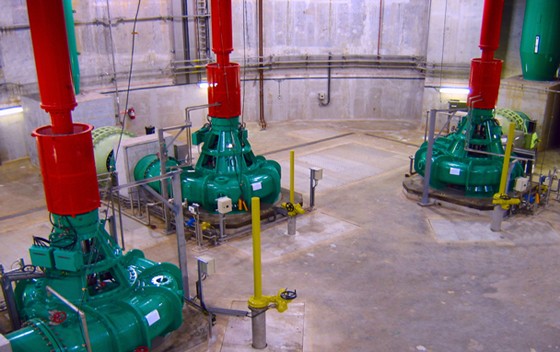
|
Sludge Dryers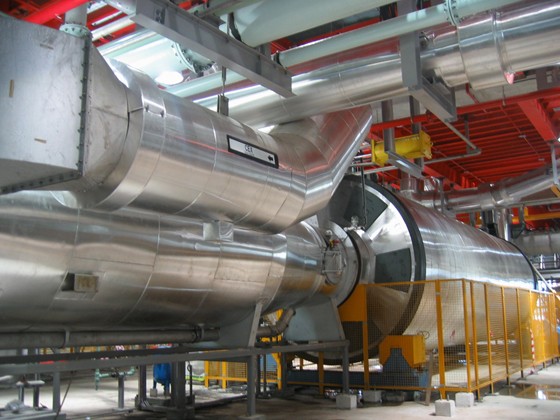
|
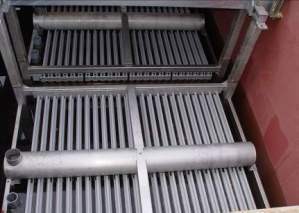
CWRP’s capacity was further increased by 120,000 m3 per day in 2016, through the retrofitting of Liquids Modules 1 & 2 with membrane bioreactors (MBR).
Views of MBR retrofitted at the Liquids Modules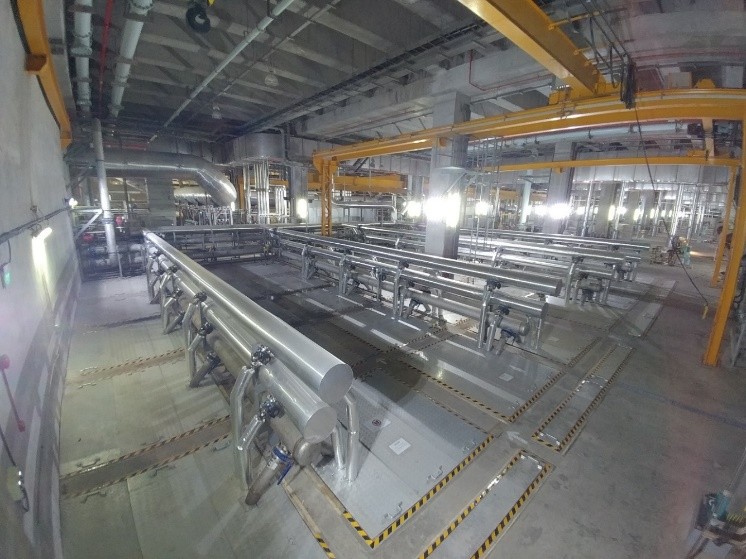
|
|
View of Wet Weather Facility
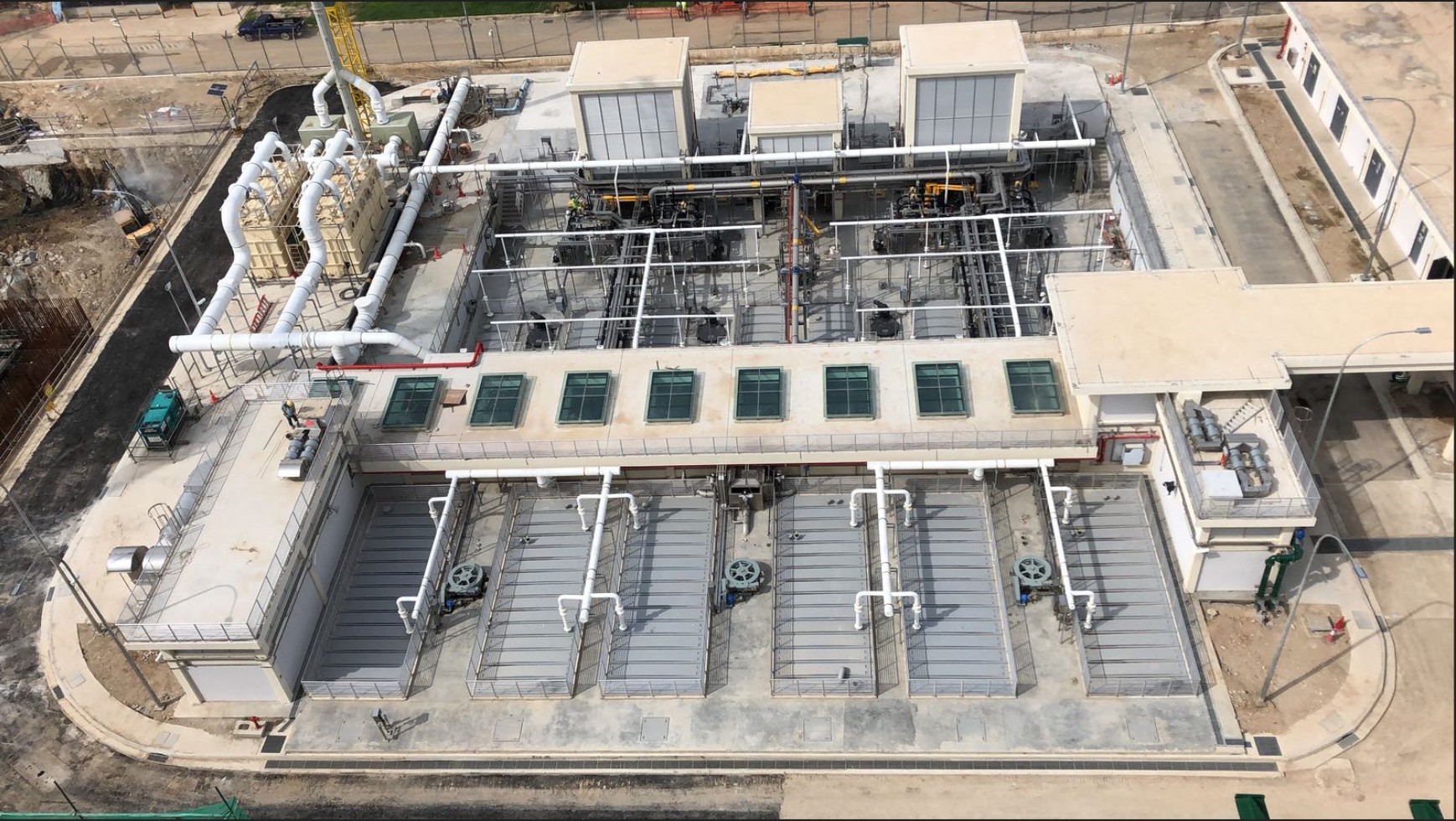
To meet future used water projections, CWRP underwent an extensive Phase 2 expansion, which added another 200,000 m3 per day of treatment capacity. The work included civil and infrastructural expansion works and the installation of MBR equipment. As of 2026, CWRP has a used water treatment capacity of 1,120,000 m³ per day.
Construction is underway for a 50 MGD NEWater factory to increase NEWater production capacity in support for future water demand. A Greasy Waste Receiving Facility is also being built to enable CWRP to receive and treat greasy waste for biogas generation and energy recovery through biogas generators.
CWRP has also embarked on its Phase 3 expansion to further increase Singapore’s used water treatment capacity. It is scheduled for completion in the mid-2030s to meet the projected increase in used water flow from industries in eastern Singapore.

- Alkaff Lake@Bidadari Park
- Sembcorp Tengeh Floating Solar Farm
- Marina Barrage
- Separation Technologies Applied Research and Translation Centre (START)
- Changi Water Reclamation Plant
- Nanyang Environment and Water Research Institute (NEWRI)
- Keppel Marina East Desalination Plant
- Technology Centre for Offshore and Marine, Singapore (TCOMS)
- Coastal Protection and Flood Resilience Institute (CFI) Singapore