Home >
Home >
Programme (Sessions) >
Technical Site Visits >
Separation Technologies Applied Research and Translation Centre (START)
Separation Technologies Applied Research and Translation Centre (START)
The Separation Technologies Applied Research & Translation (START) Centre, a national facility, was launched in June 2016 to develop and de-risk commercialisation of innovative separation and filtration technologies. START bridges a critical gap in the ecosystem, between lab-scale R&D carried out in local as well as overseas research entities, and eventual market adoption, by focusing on translation, technology scale-up and piloting to accelerate the commercialisation process. We collaborate with Institutes of Higher Learning and various industrial partners to achieve this goal.
Choosing the appropriate technologies for scale-up is key to the success of translation and commercialisation activities. The centre, which is staffed by several industry experts, begins by doing a techno-commercial analysis of promising inventions. Once a technology is down-selected, our facilities include industrial-scale fabrication of membranes (hollow-fibre or flat-sheet), followed by module design, fabrication and testing at increasing sizes. This is followed by system design, integration, and piloting at scale under real-life conditions. Throughout this process, we work closely with potential industrial partners.
START has also been focused on addressing Singapore’s National Priorities. Seawater desalination, one of our national taps, will be critical towards increasing the availability of water for Singapore’s industrial and commercial growth, as will the ability to drive Industrial Wastewater reuse and Resource Recovery.
As START moved into its second phase in October 2021, one of the key areas we undertook was the setup and operation of a demonstration scale (~1 MGD) Integrated Validation Plant for seawater desalination. The main purpose of this plant is to select and test, in collaboration with PUB, cutting-edge technologies at various stages in the entire desalination process at scale, with the objective of driving down the overall energy cost and achieving process efficiency. The results obtained will provide significant inputs towards decision-making for new desalination plants, as well as retrofitting existing plants in Singapore.
Moving forward, START is also increasingly focused on co-developing and driving the adoption of technologies for Industrial Wastewater Reuse and Resource Recovery.
In addition to the activities above, START has also expanded its translational activities to include separations outside the water domain. Some key examples include gas separations for carbon capture and biogas applications, solvent separations for industrial processes, and the development of green solvents for membrane fabrication.
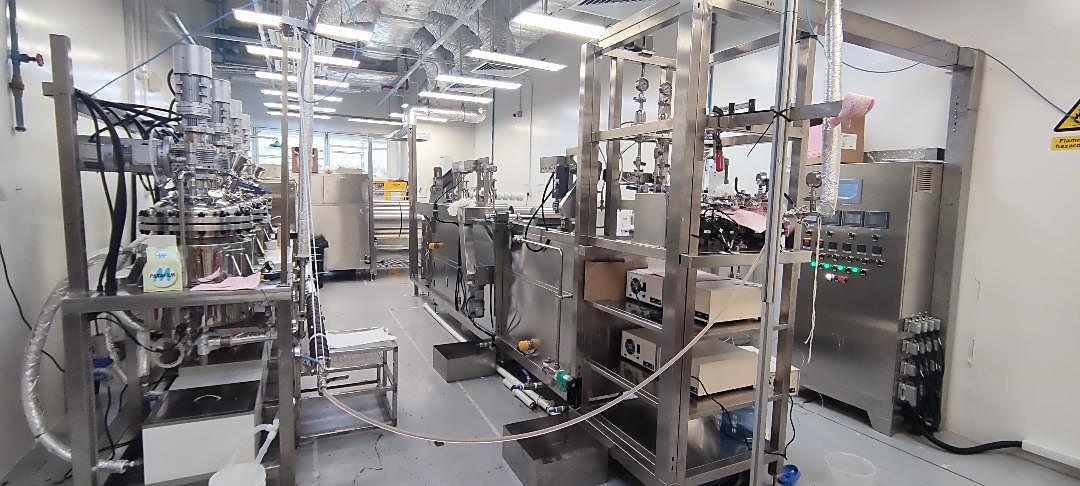
At the technical site visit, participants will see START Centre’s unique scale-up and translation facilities, including flat-sheet and hollow-fibre fabrication, element and module construction, and testing at various scales.
You can learn more about START at www.startcentre.sg.
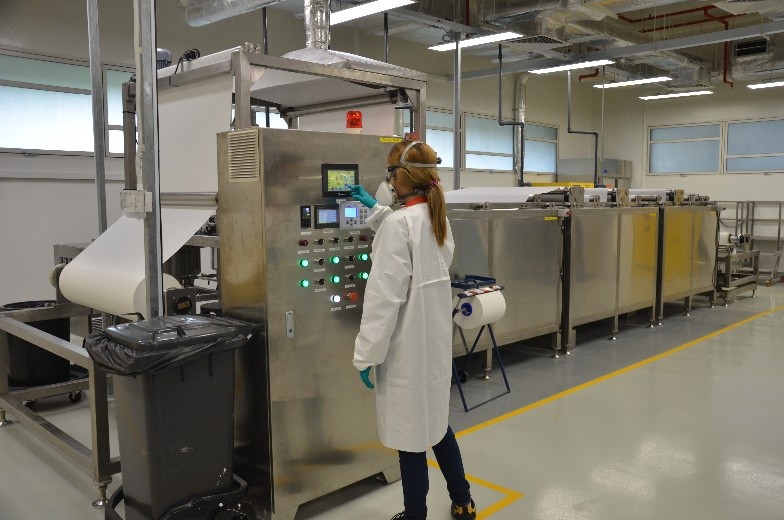
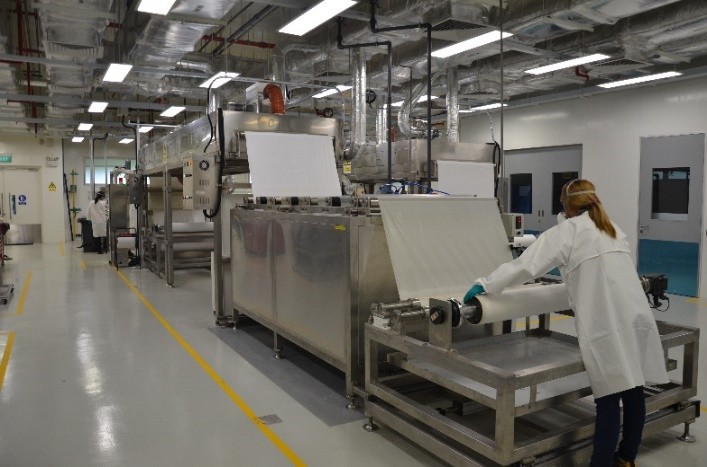
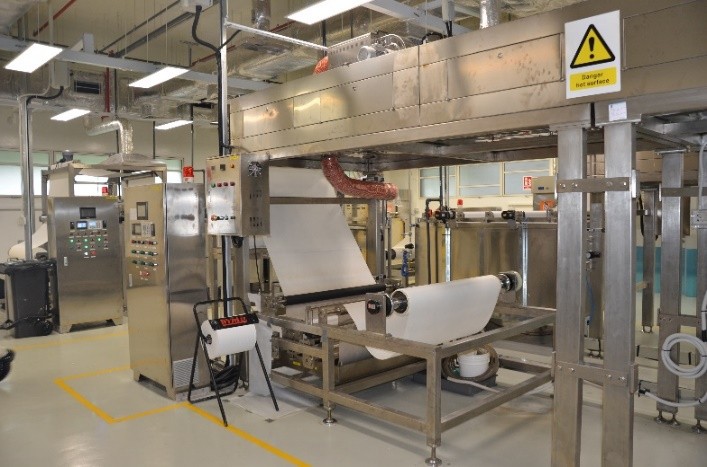
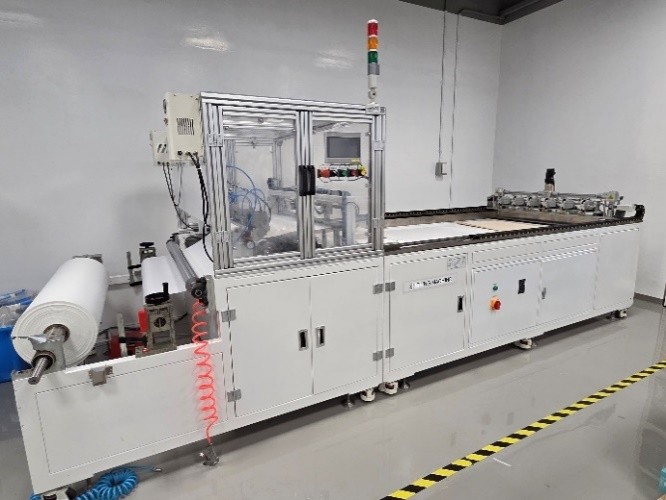
Flat Sheet Membrane Phase Inversion Line
|
|
|
|
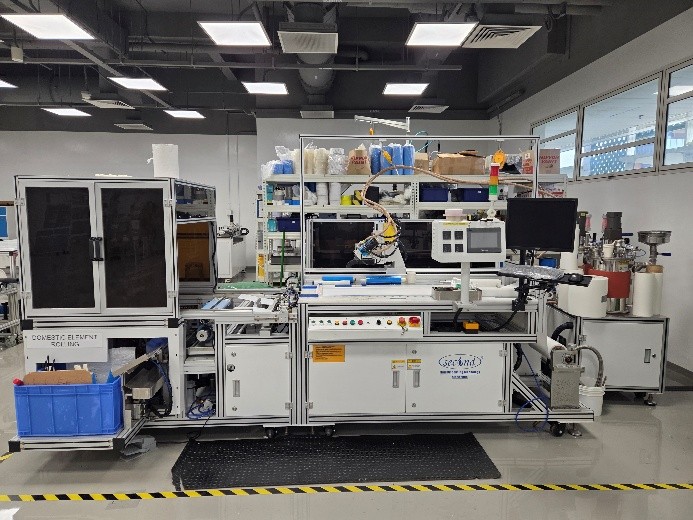
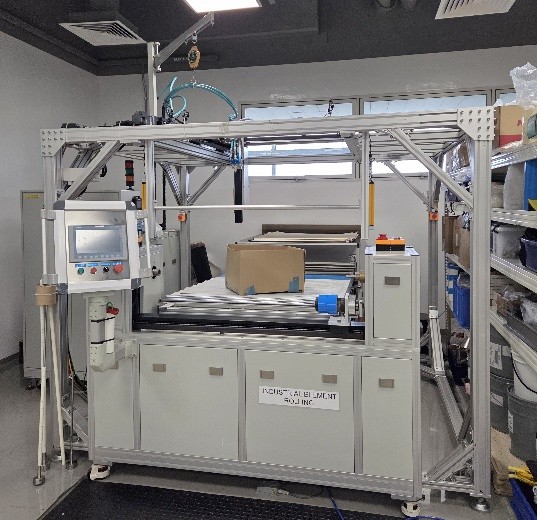
Domestic-scale and Industrial-scale Automated Element Rolling Machine
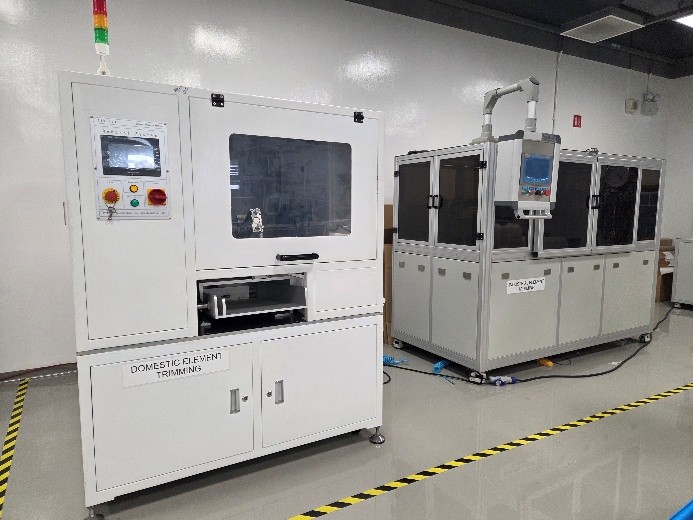
Domestic-scale and Industrial-scale Element Trimming Machine
|
|
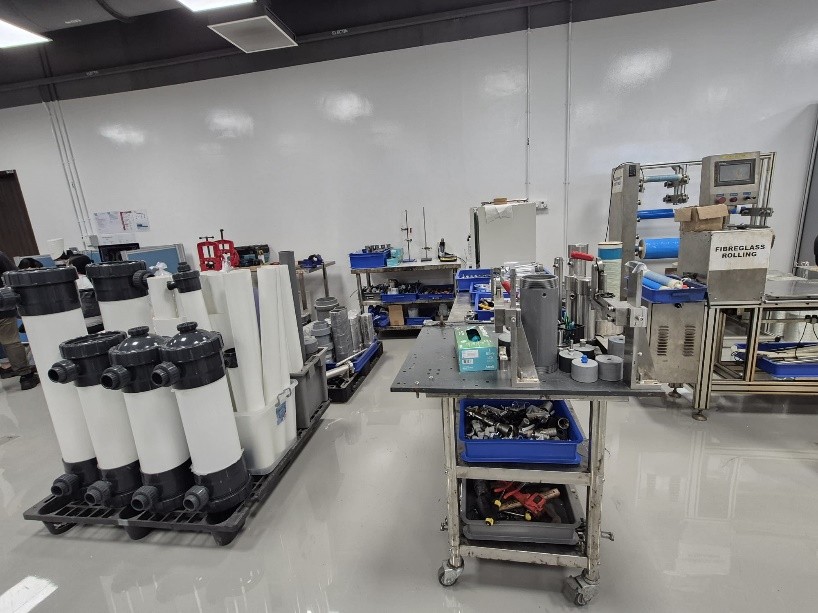
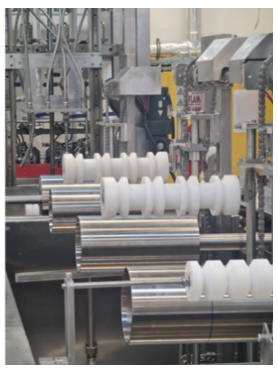
Left: Membranes/Spacers Slitting Machines, Right: Hollow Fibre Modules Potting
|
|
Hollow Fiber Membrane Fabrication Lab
|
|
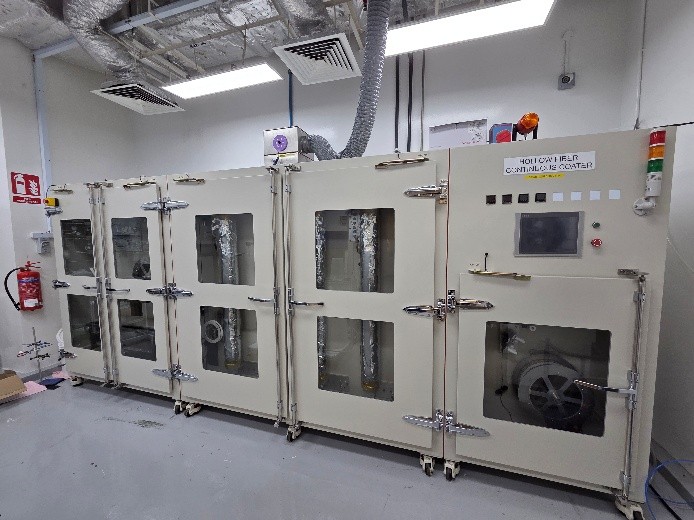
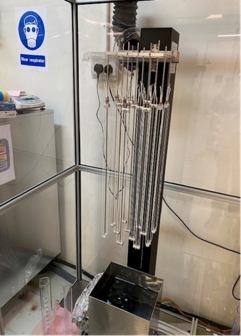
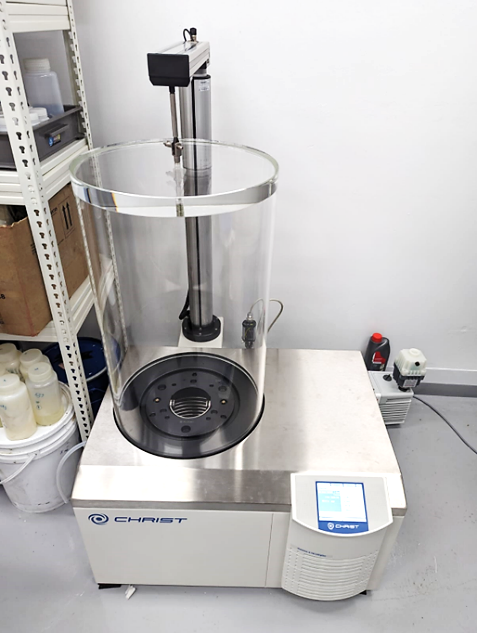
Hollow Fiber External Coater (Left: continuous, Right: Semi-auto Dip)
|
|
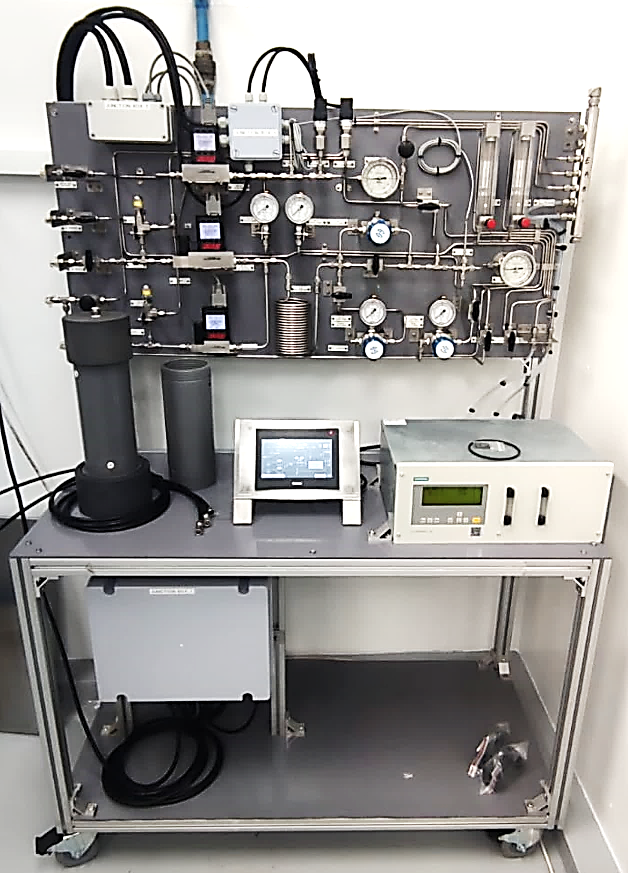
Gas Separation Membranes Performance Testing and Treatment Facilities
|
|
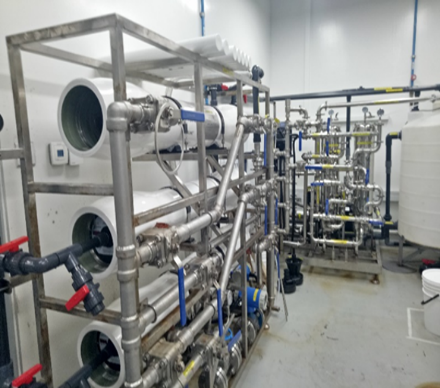
|
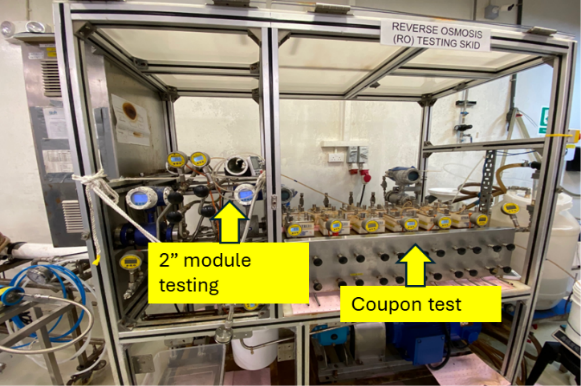
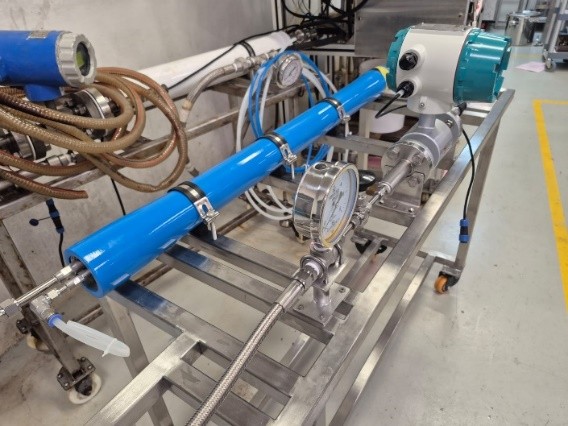
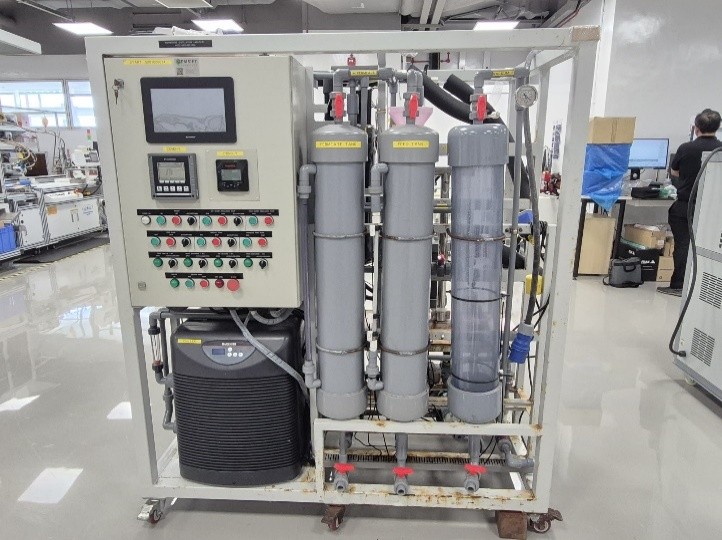
Water Application Membranes Performance Testing Facilities (Coupons up to 8” module testing)
|
|
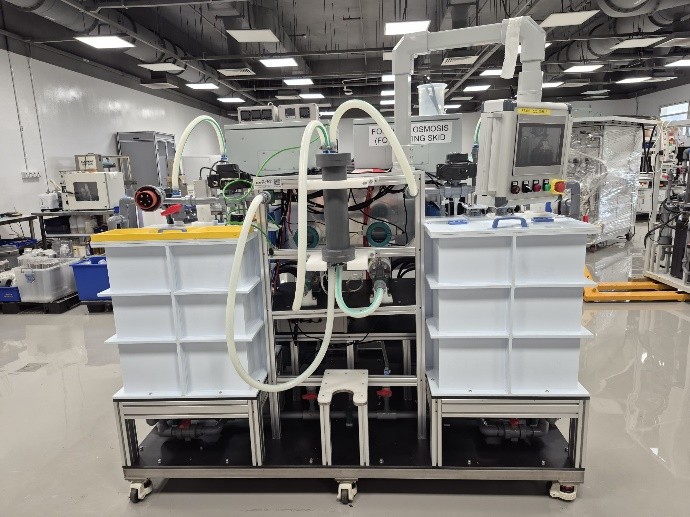
Membranes Performance Testing Facilities (Left: Forward Osmosis, Right: Membrane Distillation)
|
|
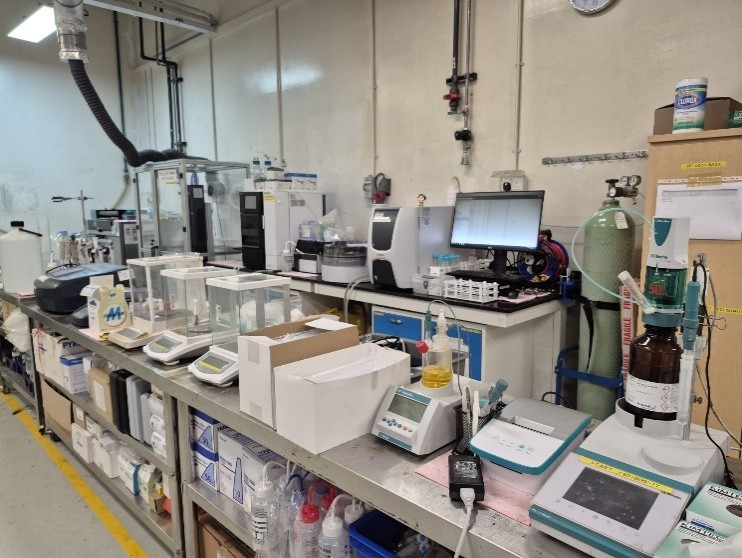
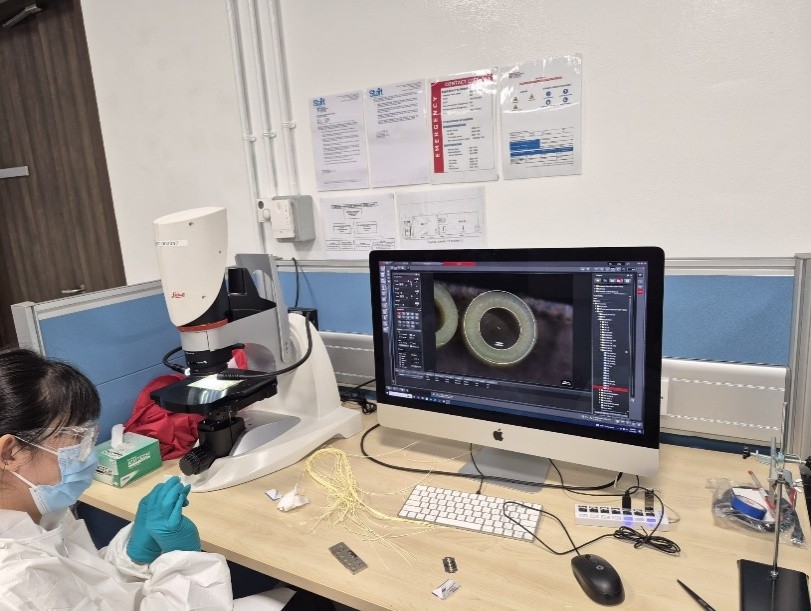
Membranes and Samples Characterisation Facilities

- Alkaff Lake@Bidadari Park
- Sembcorp Tengeh Floating Solar Farm
- Marina Barrage
- Separation Technologies Applied Research and Translation Centre (START)
- Changi Water Reclamation Plant
- Nanyang Environment and Water Research Institute (NEWRI)
- Keppel Marina East Desalination Plant
- Technology Centre for Offshore and Marine, Singapore (TCOMS)
- Coastal Protection and Flood Resilience Institute (CFI) Singapore