Home >
Landing Page >
Lee Kuan Yew Water Prize Laureates >
Professor Joan Bray Rose
Professor Joan Bray Rose
LEE KUAN YEW WATER PRIZE 2026
Citation for Professor Joan Bray Rose
Citation
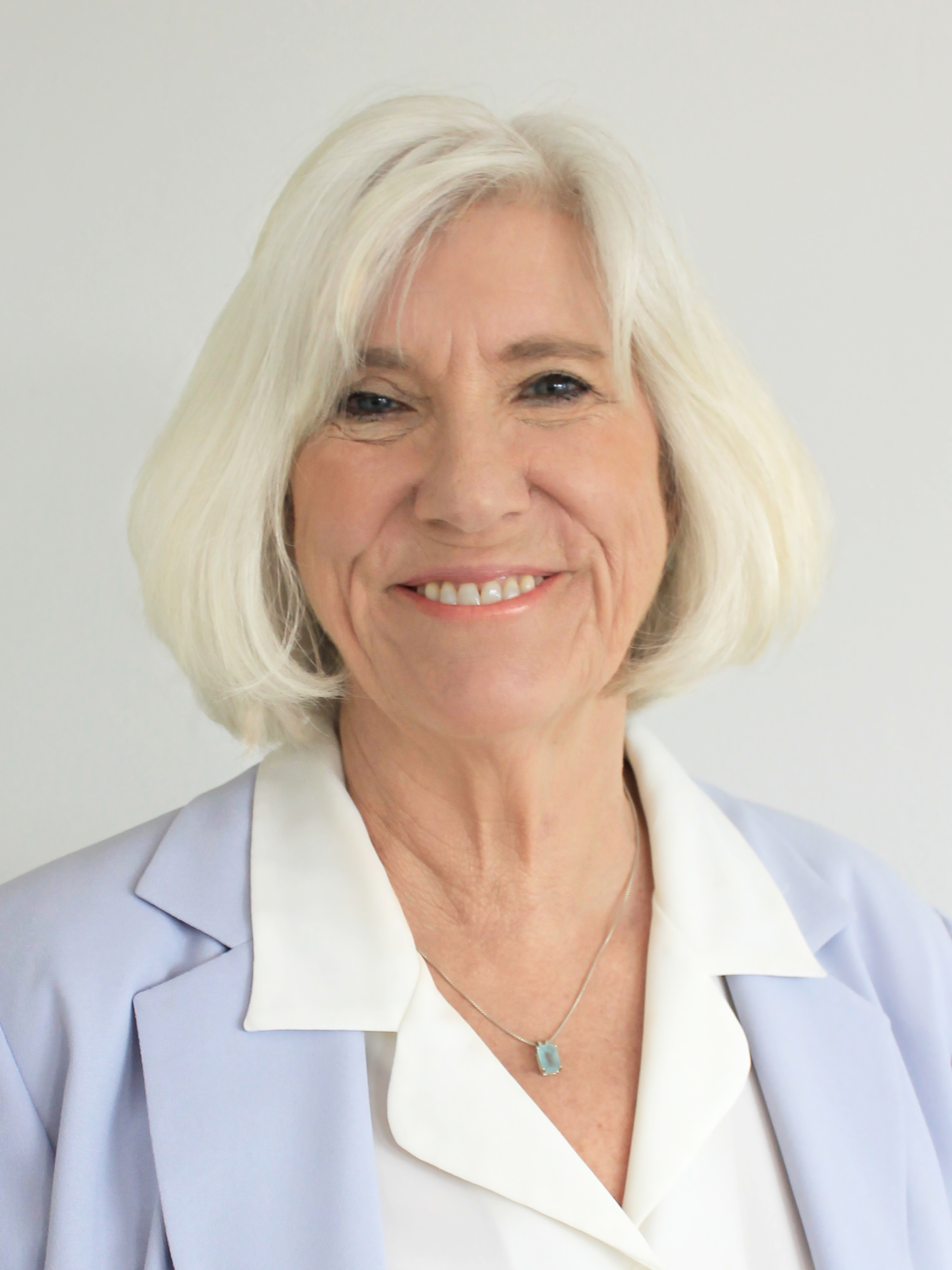
Professor Joan Bray Rose, Homer Nowlin Chair in Water Research and Director of the Water Alliance at Michigan State University, is awarded the Lee Kuan Yew Water Prize 2026 for her pioneering work in developing the science of Quantitative Microbial Risk Assessment (QMRA). By mathematically quantifying the likelihood of infection or illness, QMRA can inform policy decisions, set safety standards, and validate treatment effectiveness. Her groundbreaking contributions have established QMRA as a global approach to assess health risks associated with pathogens in drinking, recreational and other types of water, ensuring that water can be made safe for people around the world.
Professor Rose is a distinguished international academic and leading expert in water microbiology, water quality and public health protection. Her research focuses on the detection and control of microbial pathogens in water, encompassing molecular detection methods, pathogen surveillance, microbial source tracking, and their removal through water and wastewater treatment processes. She has also advanced the study on microbial pathogens in recreational waters and examined how climatic factors influence water quality. Over her career, she has authored over 300 scientific publications, with more than 43,000 citations.
Professor Rose first gained prominence in the late 1980s when she led a team of researchers to investigate and pinpoint the sources of Cryptosporidium responsible for a spate of waterborne disease outbreaks. Her findings demonstrated for the first time that cryptosporidiosis is a zoonotic disease transmitted through insufficient filtration and disinfection of drinking water supplies. In doing so, her work revealed a critical scientific gap: pathogens could slip through conventional treatment, monitoring systems could detect microbes but not quantify risk, and public health responses remained largely reactive rather than predictive.
Arising from this gap, Professor Rose’s work in the 1990s and early 2000s established Quantitative Microbial Risk Assessment (QMRA) as the definitive approach for defining the microbial safety of drinking, recreational and reuse water. Prior to QMRA, water safety relied largely on presence–absence testing of microbial surrogate indicators, which often produced results only after consumption and provided insufficient protection against non-bacterial waterborne pathogens.
QMRA transformed water safety from a qualitative concept into a measurable science, allowing risks to be quantified and illness probabilities to be estimated based on pathogen concentrations, exposure routes, and water consumption. By introducing this approach, Professor Rose shifted the focus from reactive “detect and correct” methods to proactive “predict and prevent” strategies. Using the numerical models developed through QMRA, systematic treatment standards for multiple classes of microorganisms were developed, and early intervention measures could be put in place to greatly reduce the likelihood of treatment failures.
QMRA is now widely adopted in national and international drinking water standards and guidelines. Professor Rose has shaped these global standards through her role as Chair of the United States Environmental Protection Agency’s Safe Drinking Water Standards (2004–2010) and her contributions to the World Health Organization’s Guidelines for Drinking-water Quality (Third Edition, 2004). Her work has enabled water utilities and regulators to define treatment requirements based on tolerable health risks for any given water source.
The concept of QMRA was so powerful that, within 10 years, it was extended to other aspects of public health safety, including recreational water and water reuse. Professor Rose has served as advisor to the Orange County Water District’s Independent Advisory Panel and the California State Water Resources Control Board Expert Panel on water reuse. This work has contributed to the development of California’s Indirect and Direct Potable Reuse regulations, which have since become models for international water reuse standards and guidelines, including those in Australia, Spain, and the rest of the United States.
Singapore has also benefited from her expertise through her service on the NEWater Expert Panel (1998–2002) and as Chair of PUB’s External Audit Panel (2003–2019), supporting the robust and safe implementation of water reuse in the country.
QMRA has significantly reduced the global disease burden from unsafe water. Yet emerging microbial pathogens, zoonotic diseases, and biologically derived toxins, combined with climate change–driven extremes, continue to threaten the availability of pristine water sources. In this context, QMRA remains timely and essential, enabling water practitioners to determine the treatment levels required for any water source to meet public health standards, thereby benefitting millions of lives.
Beyond developing QMRA, Professor Rose has been deeply involved in communicating science to policymakers and researchers, travelling extensively to advise governments and regions on translating the science of disinfection and water treatment into practice.
She has created platforms and portals for disseminating knowledge on microbial risks and water pathogens. Since its inception in 2006, the QMRA Summer Institute has trained over 400 researchers, practitioners, and public health professionals in assessing and managing pathogen risks in water, food, and the environment, with collaborations extending to Singapore, Japan, India, China, Canada, Brazil, Australia, and parts of Europe.
Together with her team, she developed the world’s first comprehensive database of microbial dose–response relationships, QMRA Wiki (https://qmrawiki.org), in 2011. This resource has become an invaluable and permanent contribution to the worldwide understanding of disease transmission and risk characterisation, enabling the use of a common metric for estimating and comparing microbial risks.
Another initiative led by Professor Rose is the Global Water Pathogen Project (GWPP), funded by Dow, Dow-Corning and GATES Foundations. In partnership with UNESCO, this effort provided a knowledge resource aimed at reducing mortality linked to water pathogens and the lack of safe drinking water and sanitation. GWPP offers an updated review of sanitation technologies and serves as a compendium of waterborne pathogen information and quantitative data to support risk assessment and water safety. The GWPP network includes over 300 scientist contributors from more than 50 countries. Building on this platform, Professor Rose and her collaborators established a sub-portal, Wastewater Sphere (W-Sphere), to advance environmental surveillance of sewage for SARS-CoV-2 and support public health measures. W-Sphere aggregated data from over 2,600 cities, counties and regional systems globally.
As a renowned leader in water quality, Professor Rose holds key roles including Chair of the Health Professionals Advisory Board for the International Joint Commission1, Director of Michigan State University's Water Alliance Program, and Director of the GWPP, where she continues to champion microbial risk science to policymakers and researchers. In 2024, she was honoured with the International Water Association Global Water Award for her lifelong commitment to water quality, water safety, and public health.
The Lee Kuan Yew Water Prize 2026 is bestowed on Professor Joan Bray Rose for pioneering the development and global adoption of QMRA to safeguard drinking, recreational and other types of water. Her work has transformed the science of microbial risk management and guided policies and programmes that protect public health and ensure safe water for communities worldwide.
1The International Joint Commission (IJC) is a binational organisation created by Canada and the United States to help manage and protect shared water resources along their border.
About Professor Joan Bray Rose
Joan Bray Rose holds the Homer Nowlin Chair in Water Research at Michigan State University, where she has worked for the last 22 years. She is also the Director of the MSU Water Alliance, leading interdisciplinary efforts to solve significant water problems of the 21st century and supporting the research, education and outreach missions of the 300 water faculty and specialists (https://water.msu.edu/).
An international expert in water microbiology, water quality, and public health safety, her research focuses on applying new molecular methods, pathogen surveillance, microbial source tracking, and the removal of pathogens through water and wastewater treatment, with over 300 publications to her name.
Professor Rose is one of the early creators of quantitative microbial risk assessment (QMRA) and architects of its framework, beginning her work in 1988. She continues to advance the field through research on emerging global microbial health risks, a QMRA Summer Institute, and QMRAwiki which houses dose-response models for microbial risk assessment.
Her work has been acknowledged through honours such as the Singapore Public Service Medal from the Ministry of Environment and Water Resources in 2009, and Honorary Citizenship of Singapore in 2015, recognising her role in supporting the country’s development of sustainable, safe waters.
Professor Rose is a member of the National Academy of Engineering (2011) and has been elected to the Royal Academy of Sciences and Arts of Barcelona, Spain (2020), the Royal Institution of Singapore (2019), the European Academy of Sciences (2019), and the Chinese Academy of Sciences (2025).
She is the winner of the 2016 Stockholm Water Prize and the 2024 International Water Association Global Water Award, which honour exceptional individuals who have transformed industry norms, driven impactful water innovations, and contributed to a world where water is wisely managed. She was also named "Guardian of the Environment" for outstanding lifetime achievement by the Great Lakes Environmental Festival (2024), inducted into the Michigan Water Industry Hall of Fame (2020), and received the Helen & William Milliken Distinguished Service Award from the Michigan Environmental Council (2018).
